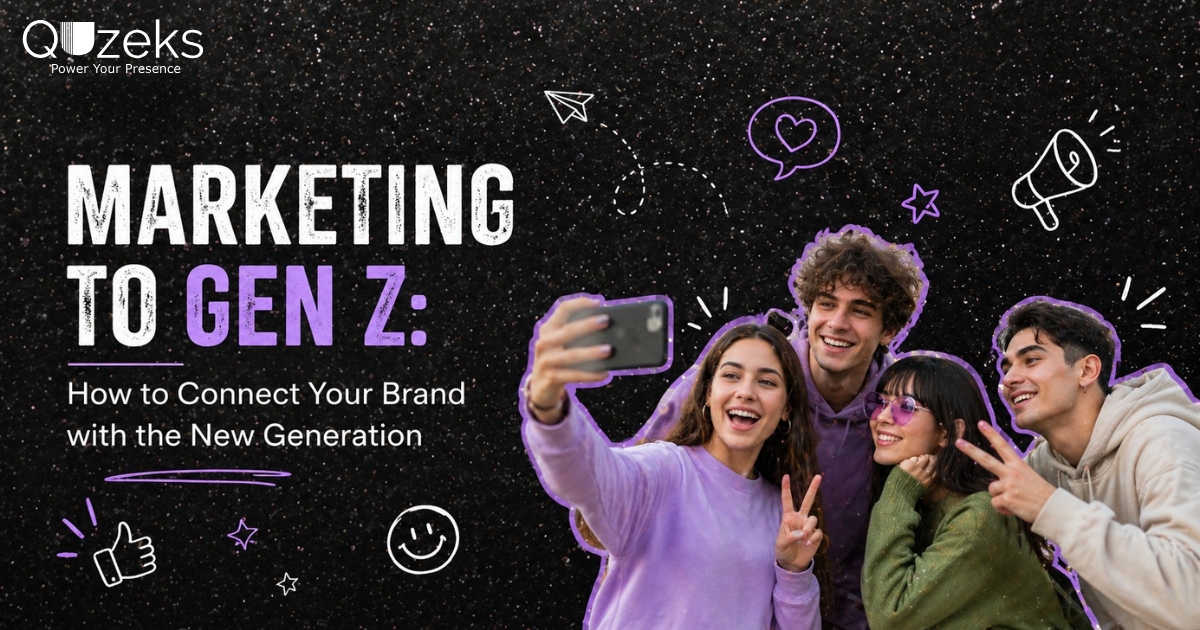
Gen Z marketing helps brands reach the right people, build strong connections, and drive real growth. Gen Z, born between the mid-1990s and early 2010s, is the first generation to grow up fully connected to the internet, smartphones, and social media.
This generation values authenticity, transparency, and real engagement. They do not respond to traditional advertising. Instead, they prefer brands that are genuine, socially responsible, and interactive.
To succeed, businesses must focus on a strong Marketing to Gen Z strategy that aligns with their behavior, values, and digital habits.
Why Gen Z Matters in Digital Marketing
Changing Consumer Behavior
Gen Z has completely changed how brands communicate. They prefer real experiences over polished advertisements. Brands that lack authenticity quickly lose trust.
Digital-First Buying Journey
Gen Z discovers and buys products through digital platforms like search engines, social media, and online reviews. This makes Marketing to Gen Z essential for visibility and growth.
Understanding Gen Z Audience
Gen Z is highly connected and mobile-first. They constantly switch between devices, making mobile optimization critical.
Unlike previous generations, Gen Z is not just consumers; they are also content creators. Their opinions influence brand reputation online.
They strongly prefer brands that align with:
- Sustainability
- Innovation
- Social responsibility
- Authenticity
Brands that ignore these values struggle to connect with the Gen Z audience.
Where to Reach Gen Z (Top Digital Platforms)
Instagram Marketing
Instagram remains one of the most powerful platforms for reaching Gen Z, with Reels, Stories, and influencer collaborations, brands can create visually engaging, interactive content.
Facebook Marketing
While Gen Z spends less time here than on other platforms, Facebook remains valuable for targeted advertising and retargeting campaigns.
LinkedIn Marketing
For B2B brands, LinkedIn offers a great opportunity to build authority, share insights, and connect with a professional audience.
Content Strategies That Work for Gen Z
Short-form videos are highly effective in grabbing attention quickly. Platforms like Reels and Shorts make it easier to deliver impactful messages in seconds. They help boost reach and engagement in a short time. People remember stories, not ads. Authentic storytelling helps brands build emotional connections and improve engagement. It makes the brand more relatable and memorable. Polls, quizzes, live sessions, and Q&A formats encourage participation and make users feel involved with the brand. This increases user interaction and builds stronger relationships.
Building Strong Relationships Through Digital Channels
Strong relationships are built through consistent interaction, authenticity, and value-driven communication. Brands that go beyond promotion and focus on engagement create deeper trust and long-term loyalty.
Engagement & Community Interaction
Active engagement is the foundation of successful digital marketing. When brands respond quickly and meaningfully, they show customers they truly matter.
Example: Netflix
Netflix uses a fun, relatable tone, replies with humor, and engages in conversations.
Brand Consistency
Consistency builds trust and recognition across all platforms. A unified tone, design, and message make a brand more memorable.
Example: Apple Inc.
Apple maintains a clean, premium, and consistent brand image everywhere.
Creating Long-Term Digital Relationships
Combining engagement with consistency helps build lasting relationships.
Example: Starbucks
Starbucks encourages user-generated content and shares real customer stories.
Influencer Marketing for Gen Z
Micro-influencers may have smaller audiences, but they often have highly engaged followers who trust their opinions. Their recommendations feel more personal and genuine, making them more effective in influencing purchasing decisions and building brand credibility. They also tend to have a niche audience, which helps brands target specific groups more accurately and achieve better results compared to broad, less focused campaigns.
Gen Z prefers authentic brand collaborations rather than overly scripted promotions. When brands partner with influencers in a natural, relatable way, it leads to stronger engagement, greater trust, and higher conversion rates. Transparency and honesty play a key role here, as Gen Z can easily identify forced or inauthentic content. Genuine collaborations not only improve brand image but also create long-term connections with the audience.
Community Building as a Growth Strategy
User-Generated Content (UGC)
User-generated content is a powerful tool for building trust and authenticity in digital marketing. When customers share their real experiences through reviews, photos, or social media posts, it creates genuine social proof that influences potential buyers.
Brands that actively encourage UGC not only increase engagement but also strengthen credibility. It shows transparency, builds confidence, and helps create a more relatable brand image. As part of a strong content marketing strategy, UGC drives higher interaction and improves conversion rates.
Building Loyal Brand Communities
A strong brand community goes beyond followers; it creates meaningful connections. When customers feel valued and involved, they are more likely to engage, return, and advocate for the brand.
By consistently interacting, sharing valuable content, and encouraging participation, businesses can build a loyal audience base. These communities foster trust, increase retention, and turn customers into brand ambassadors.
Conclusion
Marketing to Gen Z is no longer optional; it is essential for business growth. This generation values authenticity, personalization, and meaningful engagement.
Brands that build strong Marketing to Gen Z strategies using SEO, social media, content marketing, and personalization will achieve higher engagement and long-term success.
In a competitive digital world, the brands that win are those that build trust, create communities, and stay connected with their audience.
FAQs
1. What is Marketing to Gen Z?
It is a strategy focused on engaging Gen Z through digital platforms, authenticity, and personalized content.
2. Why is Marketing to Gen Z important?
Gen Z is a powerful digital-first audience that influences trends and buying decisions.
3. Which platforms are best for Gen Z marketing?
Instagram, YouTube Shorts, and influencer platforms work best.
4. What content works for Gen Z?
Short videos, storytelling, and user-generated content perform best.
5. How can brands connect with Gen Z?
Through authentic marketing, social media engagement, and personalized experiences.